

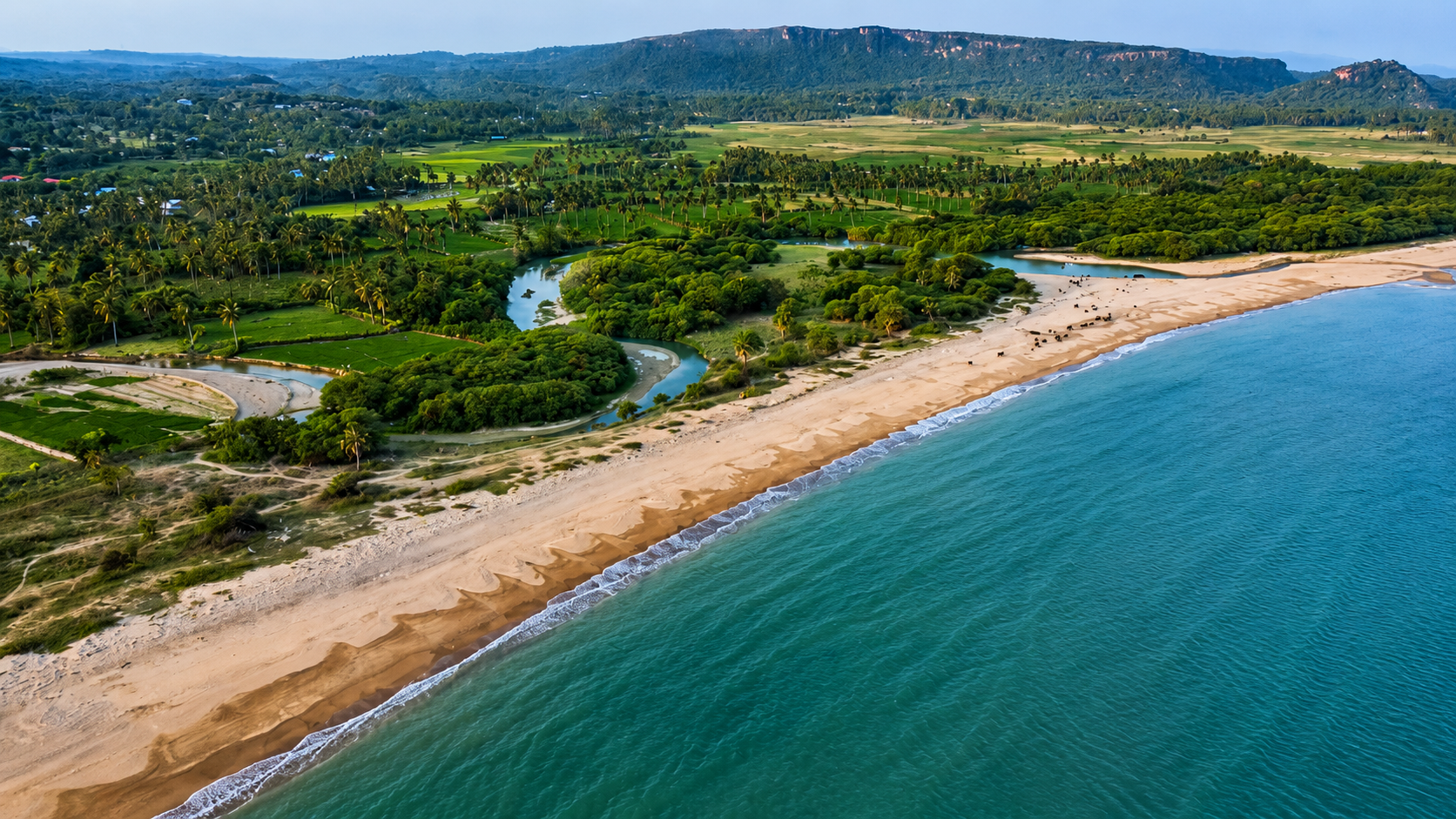
Rote Island Land for Sale: A Complete Guide for Investors
Indonesia is home to thousands of islands, offering a wide range of property and investment opportunities. For buyers looking beyond established markets, Rote Island land for sale may offer an interesting opportunity to explore beachfront, oceanfront, and private coastal locations in a relatively low-density environment.
However, buying land is about more than finding a beautiful view. Investors should consider accessibility, legal status, land boundaries, infrastructure, development potential, and their long-term investment goals.
This guide explains what investors should know when exploring Rote Island land for sale and the key factors to consider before making a property decision.
Why Consider Land in Rote Island?
Rote Island is located in East Nusa Tenggara, Indonesia. The island is known for its coastal landscapes, beaches, surfing destinations, and a more relaxed environment compared with Indonesia’s more established tourism markets.
For property investors, one of the main attractions is the availability of land in different coastal settings. Depending on the location, buyers may find opportunities including:
- Beachfront land
- Oceanfront land
- Land with direct coastal access
- Cliff-front property with ocean views
- Large parcels suitable for development
- Land suitable for private villas or estates
- Potential sites for boutique resorts and hospitality projects
Each property should be evaluated individually. Factors such as legal status, road access, topography, zoning, infrastructure, and environmental conditions can significantly affect the suitability and value of a particular site.
What to Look for When Buying Rote Island Land for Sale
When comparing Rote Island land for sale, investors should look beyond photographs and attractive ocean views.
Important factors to consider include:
- Legal status and land rights
- Clearly defined land boundaries
- Legal road access
- Distance from transportation and services
- Topography and drainage
- Water and electricity availability
- Internet and communication access
- Development regulations
- Environmental and coastal conditions
A beautiful property may look attractive online, but a proper site inspection and due diligence process are essential before making an investment decision.
Beachfront Land in Rote Island
Beachfront land is one of the most sought-after types of property for investors and developers. However, not all land marketed as “near the beach” provides the same characteristics.
Before considering a coastal property, buyers should understand the difference between several common property types.
Beachfront Land
Beachfront land is generally located directly adjacent to or immediately connected with the coastal area. The actual relationship between the land boundary and the beach should always be verified.
Oceanfront Land
Oceanfront property may offer direct views of the sea without necessarily providing a sandy beach directly in front of the land. This can include elevated, rocky, or cliff-front locations.
Beach Access Property
Some properties are located close to the beach and may have access through a road, pathway, or other route. Buyers should verify whether this access is legally secure.
Understanding these differences is important when comparing coastal land opportunities.
Opportunities for Private Coastal Property
Privacy is an important consideration for many international buyers. A large coastal property in a low-density location may offer opportunities for a private estate or exclusive development.
However, the term private beach should be used carefully.
In a property context, privacy may refer to:
- Limited access to the surrounding property
- A secluded coastal location
- A private estate with controlled access
- A beach area that is less accessible to the general public
The legal status of coastal areas and public access should always be reviewed according to applicable Indonesian laws and regulations. Buyers should not assume that owning beachfront land automatically means owning the beach itself.
For investors, the value may instead come from the combination of location, exclusivity, controlled property access, and the surrounding natural environment.
Oeseli and Other Coastal Areas in Rote Island
Different areas of Rote Island offer different characteristics. For buyers interested in coastal property, location should be evaluated based on the intended use of the land.
Potential buyers may consider:
- Distance to transportation and essential services
- Road access
- Beach characteristics
- Ocean views
- Topography
- Water availability
- Electricity and infrastructure
- Suitability for development
- Environmental considerations
- Long-term accessibility
Oeseli is one of the locations that may be considered by buyers looking for coastal land opportunities in Rote Island. Depending on the specific property, investors may find beachfront land, elevated ocean-view sites, or larger parcels with development potential.
A detailed site inspection is always recommended before making an investment decision.
Investment Potential: Villas, Resorts, and Private Estates
The value of a land investment often depends on what can realistically be developed on the property.
For Rote Island, potential concepts may include:
Private Villas
A beachfront or ocean-view location may be suitable for a private holiday home or luxury villa, depending on the property’s size, access, and legal development possibilities.
Boutique Resorts
Larger coastal properties may offer opportunities for boutique hospitality projects. Developers should carefully study market demand, infrastructure, licensing requirements, environmental regulations, and construction costs.
Private Estates
Investors seeking privacy may prefer larger land parcels that can be developed as a private estate with multiple buildings, guest accommodation, recreational facilities, or other features.
Long-Term Land Holding
Some investors may acquire land as part of a long-term investment strategy. This approach still requires careful consideration of legal status, future infrastructure development, holding costs, and market conditions.
Important Legal Considerations Before Buying Land
Legal due diligence is one of the most important steps when purchasing land in Indonesia.
Before proceeding with a transaction, buyers should verify:
- The land certificate or applicable land rights
- The identity and authority of the seller
- Land boundaries
- Possible disputes or encumbrances
- Access rights
- Applicable zoning and spatial planning
- Restrictions affecting development
- Environmental considerations
- Tax obligations
- Required permits
Foreign investors should also understand that land ownership and property structures in Indonesia are subject to specific regulations.
Terms such as freehold, leasehold, and other land rights should not be interpreted solely based on how they are used in international property marketing. Buyers should understand the exact legal structure involved and obtain advice from qualified Indonesian legal and property professionals.
Access and Infrastructure
A beautiful coastal location is only one part of a successful property investment.
Investors should also consider how the property can be accessed and developed.
Questions to ask include:
- Is there legal road access?
- What is the condition of the road?
- How far is the property from transportation hubs?
- Is electricity available?
- What water source can be used?
- Is reliable internet or mobile service available?
- What additional infrastructure will be required?
- How difficult will construction logistics be?
Remote or emerging locations may offer privacy and large land opportunities, but they can also require greater planning and investment in infrastructure.
How to Evaluate Land Opportunities in Rote Island
When comparing different properties, it can be helpful to use a structured evaluation process.
1. Define Your Investment Goal
Decide whether the land is intended for:
- Personal use
- A private villa
- A luxury estate
- A boutique resort
- Commercial development
- Long-term land investment
The intended use will affect the type of location and land characteristics you should prioritize.
2. Check the Location
Do not evaluate a property based only on photographs or maps.
Whenever possible, inspect:
- The surrounding environment
- Actual beach conditions
- Land elevation
- Nearby development
- Road access
- The orientation of the property
- The property’s relationship to the coastline
3. Verify Legal Documents
All relevant documents should be reviewed by qualified professionals before any significant payment or commitment is made.
4. Understand Development Limitations
Before purchasing, investigate whether the intended development is compatible with applicable planning, zoning, environmental, and construction requirements.
5. Consider Long-Term Value
Investors should think beyond the current appearance of the property.
Questions may include:
- What makes this location unique?
- Is the coastline an important part of the property’s value?
- Is the land suitable for the intended development?
- What infrastructure improvements may be needed?
- What are the risks associated with the location?
Why Location-Specific Research Matters
Indonesia is geographically diverse, and a property investment strategy that works in one destination may not be suitable for another.
For this reason, buyers interested in Rote Island land for sale should conduct location-specific research rather than relying only on general information about Indonesian property.
Understanding the characteristics of the specific area can help investors compare opportunities more effectively.
This may include researching:
- Local infrastructure
- Accessibility
- Tourism patterns
- Development activity
- Property supply
- Environmental characteristics
- Legal and administrative considerations
Explore Rote Island Land for Sale
Rote Island offers a variety of coastal environments that may suit different investment objectives.
Some buyers may be searching for a private coastal location for a personal estate. Others may be interested in a larger parcel for villa or resort development. The right opportunity depends on the property’s location, legal status, accessibility, development potential, and the buyer’s long-term objectives.
FrontBeachLand focuses on selected land opportunities, particularly properties with unique coastal characteristics such as beachfront locations, ocean views, private settings, and development potential.
Before making any property investment, buyers should conduct appropriate due diligence and obtain professional legal, financial, and technical advice.
Frequently Asked Questions About Rote Island Land for Sale
Is Rote Island a good place to invest in land?
Rote Island may offer opportunities for investors interested in coastal land, private estates, tourism-related development, or long-term property investment. However, suitability depends on the specific property, legal status, infrastructure, development plans, and individual investment goals.
Can foreigners buy land in Indonesia?
Foreign investment and property ownership in Indonesia are subject to specific laws and regulations. The appropriate structure depends on the buyer’s circumstances and investment plans. International buyers should obtain advice from qualified Indonesian legal and property professionals before entering into a transaction.
What should I check before buying beachfront land?
Important factors include land rights, legal boundaries, access, zoning, environmental conditions, coastal characteristics, infrastructure, development requirements, and potential risks such as erosion or flooding.
What can beachfront land in Rote Island be used for?
Depending on legal and planning requirements, coastal land may potentially be considered for private villas, estates, hospitality projects, or long-term investment. Buyers should verify the permitted use of each individual property.
Conclusion
Exploring Rote Island land for sale can offer opportunities for investors looking beyond Indonesia’s more established property markets.
Its coastal landscapes, relatively low-density environment, and range of land characteristics may appeal to buyers seeking beachfront property, ocean-view locations, private estates, or development opportunities.
However, investing in land requires more than finding an attractive location.
The strongest investment decisions are based on careful research, property inspection, legal due diligence, infrastructure assessment, and a clear understanding of long-term development goals.
If you are considering Rote Island land for sale, take the time to compare locations and understand what makes each property unique.
Explore selected beachfront, oceanfront, and private coastal land opportunities with FrontBeachLand and find a property that matches your investment vision.